One call for the right trade
Explain your shower layout, the finishes you want, and any leak or damage once. We connect you with a local contractor who handles shower remodel work.
Describe what you want to change once and get connected with a local contractor who can plan the layout, waterproofing, and finishes.
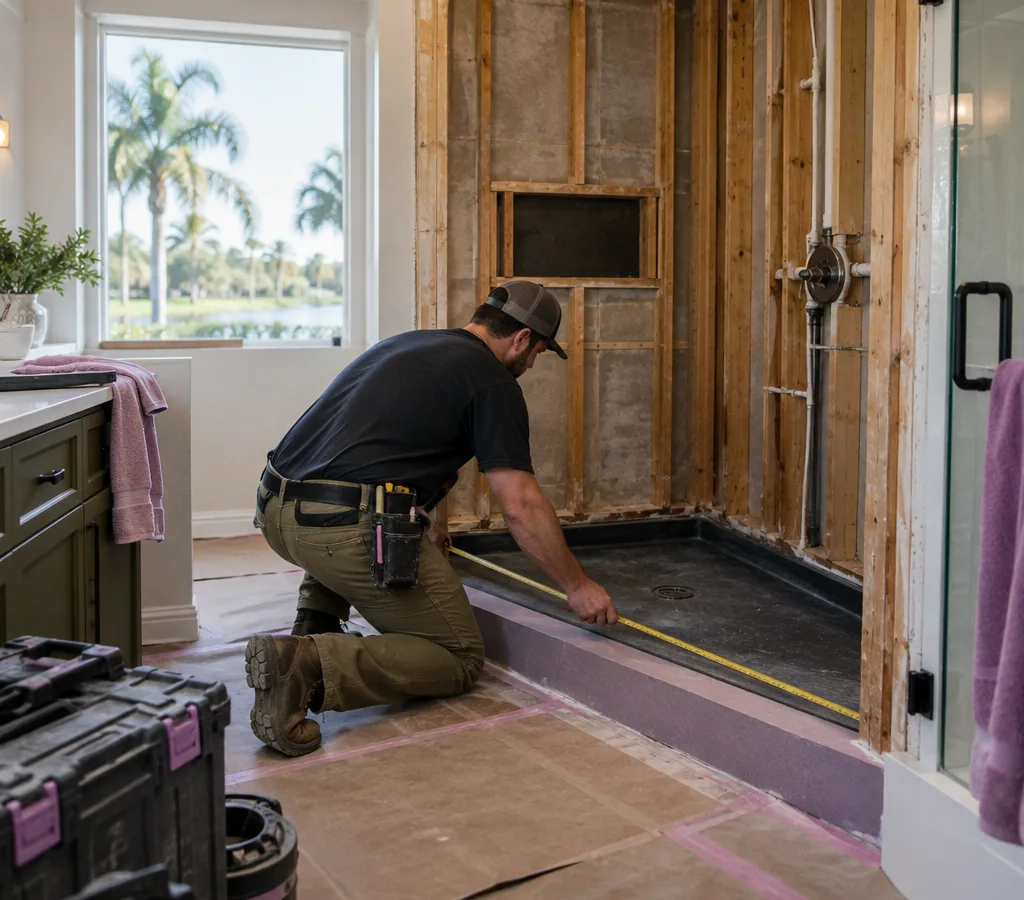
A shower remodel is more than swapping tile. The core of the job is rebuilding a wet area so water stays where it belongs: inside the shower and in the drain.
A typical shower remodel in Orlando includes some combination of:
If you are searching for shower remodel Orlando because the shower leaks, feels dated, or is hard to clean, the first contractor conversation should focus on how the shower is currently built and where water is traveling. Loose tile, cracked grout, or peeling paint outside the shower may point to a problem behind the surface.
In Florida humidity, drying time matters. Contractors often ask about the bathroom fan, how long the shower stays wet, and whether the room has enough airflow to keep grout lines and corners from staying damp.
Explain your shower layout, the finishes you want, and any leak or damage once. We connect you with a local contractor who handles shower remodel work.
The contractor can tell you what details matter for a quote: pan type, tile size, glass style, valve location, and any plumbing moves.
In Orlando-area homes, shower remodels often involve slab floors, condo noise rules, or older bathrooms with past repairs that need to be opened up and corrected.
You speak directly with the contractor, review options, and decide whether to move forward based on scope and fit.
Whether you want a simple update or a full tear-out, the contractor can plan waterproofing, drainage, and wall prep so the finish materials last.
Share whether it is a tub-shower combo, a walk-in shower, or a corner unit, plus what is failing, such as leaks, loose tile, a cracked base, or water outside the door.
Orlando Bathroom Remodeling routes your call to an independent contractor who works on shower remodels in your area.
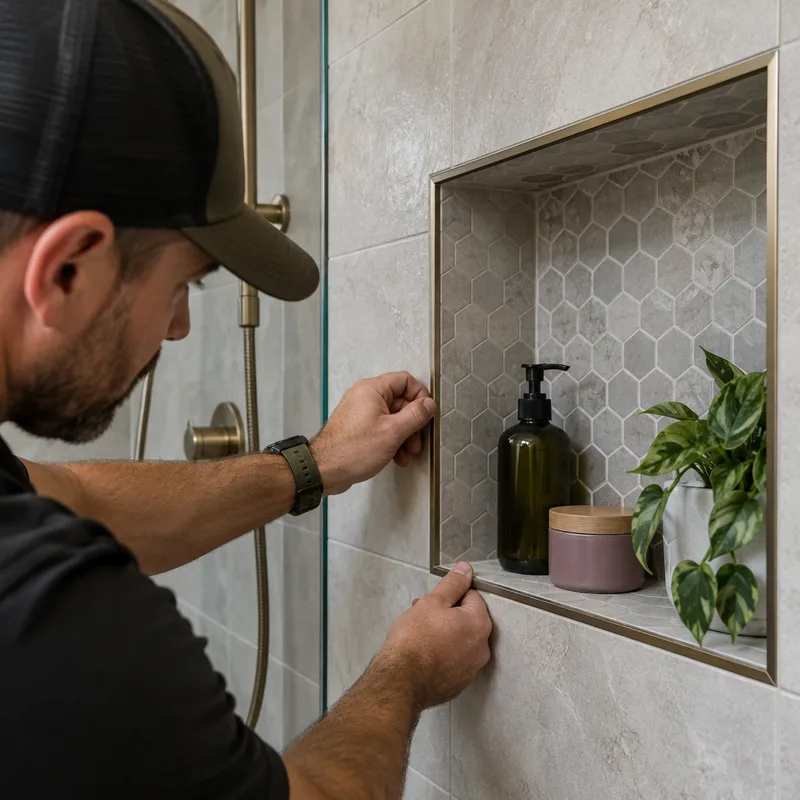
The contractor will ask about the footprint, plumbing locations, building type, and finish preferences such as tile, solid panels, niches, benches, and glass.
The contractor checks framing, moisture damage, drainage slope, and waterproofing needs, then provides the scope and quote for the work.
You coordinate access, material selections, and any building requirements directly with the contractor.
If you can describe your shower size, what you want to change, and whether there are leaks or soft spots, one call can connect you with a local contractor who can take it from there.
CALL NOW: 689-400-7507
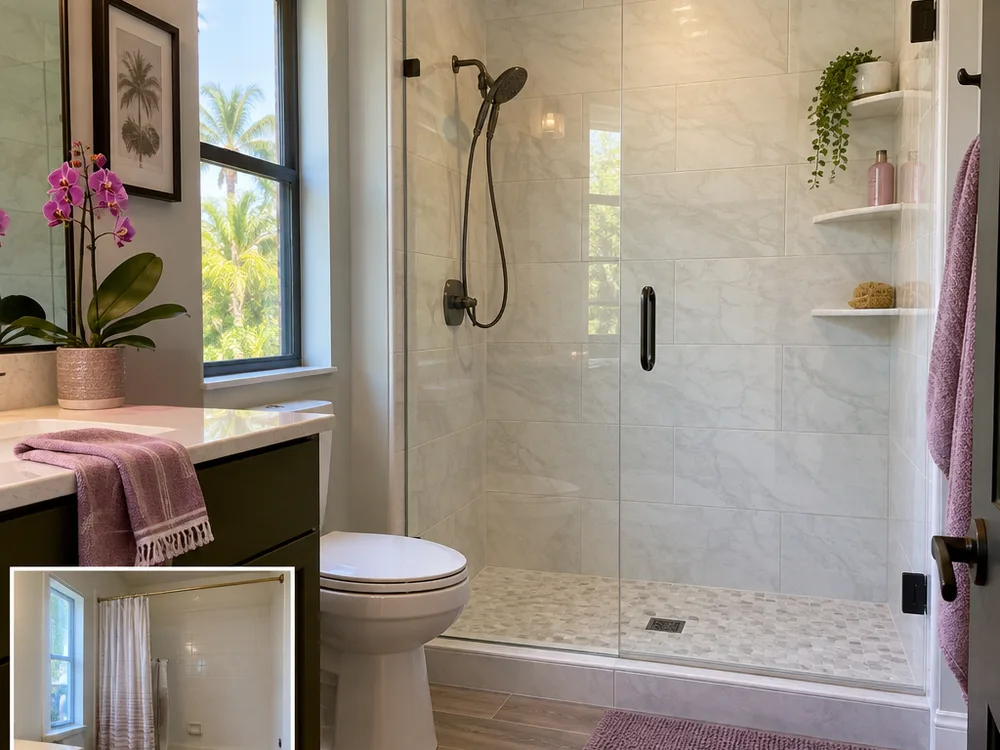
The fastest way to route your call is to share your shower type, approximate size, the finishes you want, and any problems like leaks, soft drywall, or missing grout. Also mention whether it is a house or condo and whether you want to keep plumbing in the same locations.
If water is getting outside the shower, tile is loose, the base flexes, or there are soft spots in nearby drywall, a contractor often needs to open the assembly to find the source. A surface-only update is usually reserved for situations where the waterproofing system is known to be sound and the issue is cosmetic.
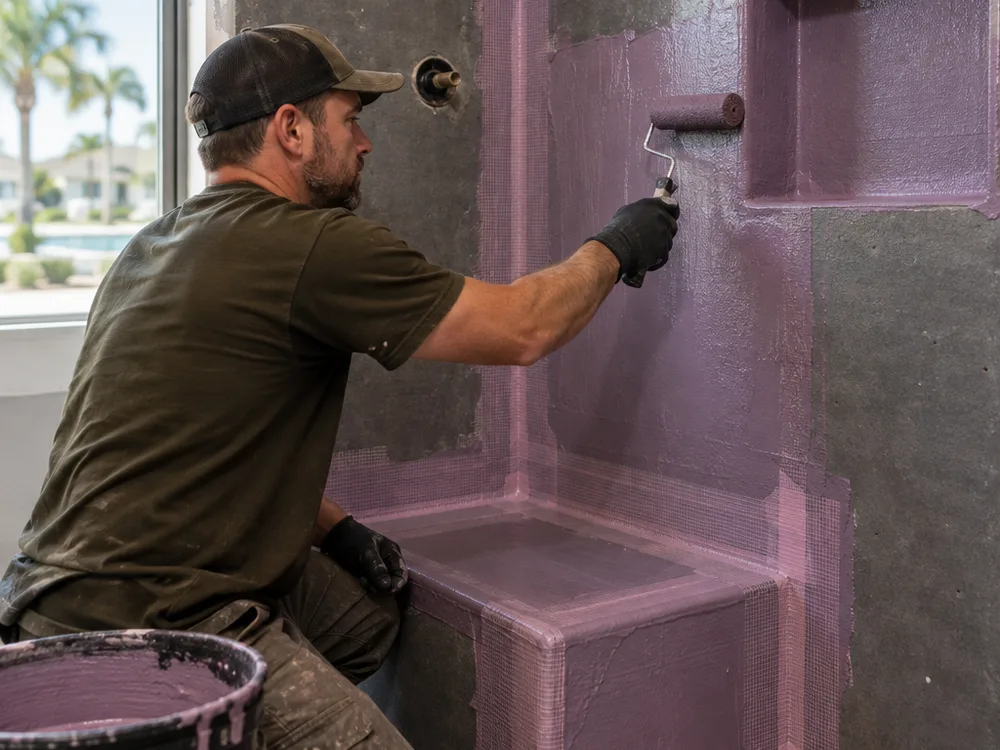
Many modern showers use a bonded waterproofing membrane on the walls and floor with a compatible drain, or a sheet membrane system with sealed seams and corners. The key is that the waterproofing layer is continuous and tied into the drain so water cannot reach framing or subfloor.
Sometimes yes, depending on the existing valve location, drain position, and shower footprint. A contractor can explain what changes are realistic if you keep the valve and drain where they are, and what additional work is involved when moving them.
A pre-formed pan is manufactured to a set size and slope and is paired with a compatible drain and waterproofing system. A site-built mud pan is built on site to fit the exact footprint, then waterproofed and tied into the drain; it can be useful for custom sizes or certain drain placements.
A shower remodel is often a multi-day job because demolition, substrate prep, waterproofing, tile setting, and grout and sealant all require proper cure time. The contractor you speak with can outline the sequence for your specific scope and materials.
Permit needs depend on what changes: replacing finishes is different than moving plumbing or making structural changes. The contractor can tell you what applies for your scope and, if permitting is required, coordinate the proper steps with the local building authority.
Ask what grout type and sealant are planned, what cleaner is safe for your tile or panels, and how the glass will be treated. It also helps to ask how the bathroom fan and airflow should be used so the shower dries between uses.
Call and describe the shower you have, the look you want, and any leak or damage you have noticed. We will connect you with a local contractor who can evaluate the details and discuss next steps.